
Not visible, but no less painful
I recently took quite a fall, and one of the resulting bruises is a wonder to behold. It’s huge, and now with colorful shades of purple, green, and red. I have been hiding it, I notice with interest, as if it is a shame to have fallen, another indicator of age advancing and things that are happening that are beyond my control. It’s another reminder to slow down and be more aware and careful, no longer as easily able to jump up to the next thing that pops into my mind. Movement must be more deliberate, more conscious.
How interesting it is to try and hide this bruise. It got me thinking…
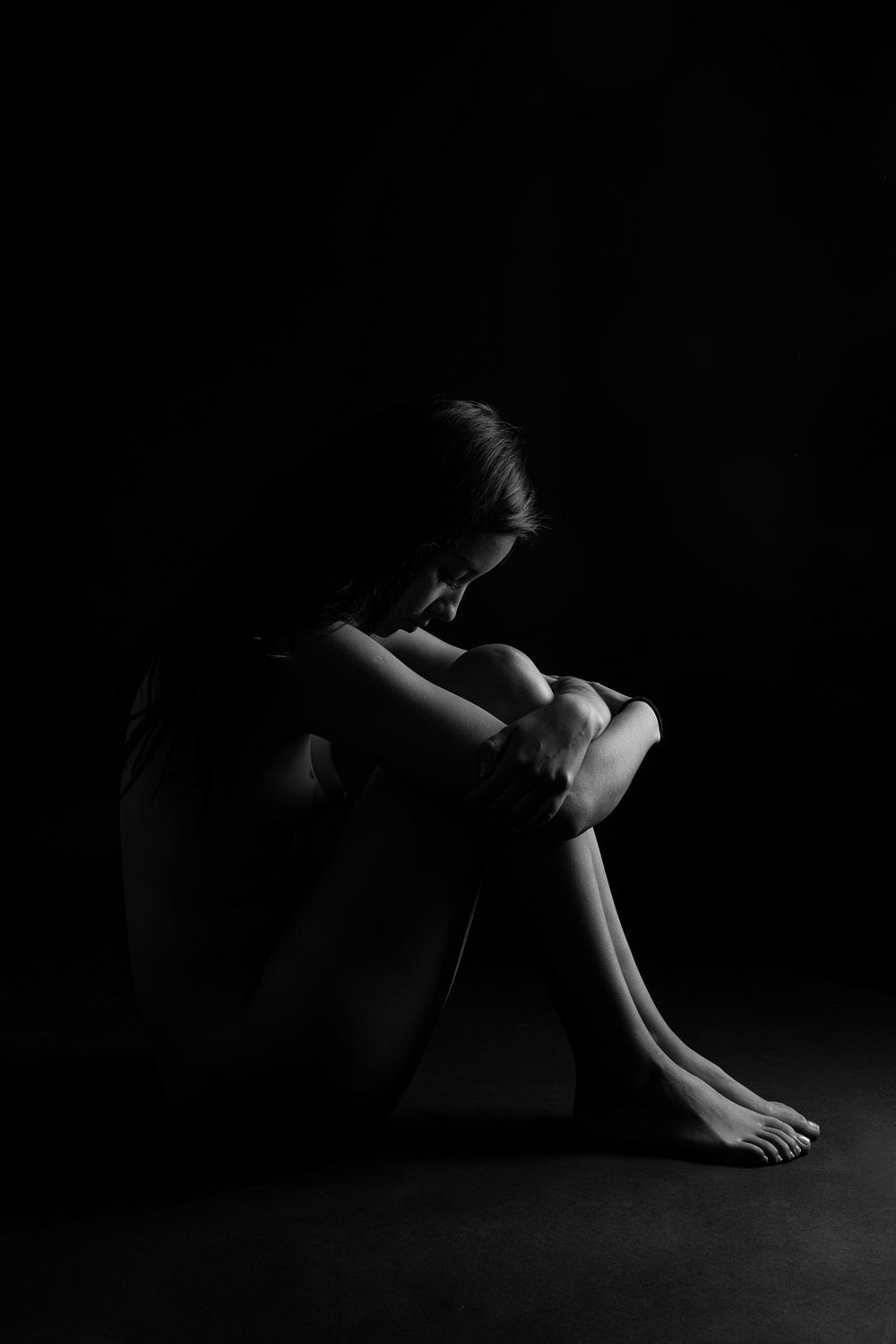
We carry all types of bruises, most of them not visible to others. We have bruises on our psyches, our souls, bruises from lives lived, from being on this human journey, bruises from when we were little and did not receive the type of love that our particular soul may have needed. These bruises can linger and hide in the background, but, and so often do, affect how we act, how we see things, how we perceive. Invisible bruises can determine what we see and feel, whether it may be true or not. These are bruises that don’t want to be touched again, reminded of the pain, or be retraumatized, bruises that we will most likely carry with us to our grave, although we may be able to learn to not act from them or live as if they are the absolute truth. They are indeed our truth, our history, our path of pain and experience. And I think that we need to name them, acknowledge them, and come to terms with them as we try to heal.
As an older woman, the memories of these bruises’ first appearance comes often these days. Memories come unbidden from the past, and aches and tears can come with them. It’s ok, it’s part of looking at the novel of my life as I reach closer to the final chapter, whenever that may be. I know that there is more to write in this novel, and I am grateful. But the words that I write and have written thus far are indeed colored with the hues of all the bruises and lessons accumulated, the traumas, the rejections, the pain of not being seen, heard or valued. They speak to loneliness, the separation, the loves that may have been unable to be sustained.
I believe that we can look at our bruises and listen to what they need to tell us. We can remember the traumas, not as a way to linger on them, but as a way to understand the paths that we may have taken and how they were influenced by them, the decisions made as we held the bruises tenderly not wanting to reinjure ourselves, the paths taken led by the GPS of our pain.
Naming your bruises and tender places
What are the names and colors of your bruises. Were you abused as a child. Were you made to feel less than somehow. Was your voice silenced and that is the only way that you learned to feel safe, to quietly walk your path of life. Were your natural talents perhaps discounted as you were forced into a mold that had been prearranged for you. Were you seen as the precious child that you were, or made to feel ashamed for who you were. Were you taught that you were worthy of love or did you have to earn it by twisting yourself into a pretzel to fit what was defined as acceptable. Were you taught to love your body or made to feel ashamed of its imperfections. Did they see your dancing spirit or laugh at your movements, thus teaching you to still not only your voice but your joy of movement and life itself?
Did they hear your dreams, thoughts, and delightful fantasies or push you to face reality and grow up and get real, as if that version is more real than what came out from deep inside of you.
Did they look at your face with love or teach you to dissect it feature by feature to better define what you should hate or hide. Did they teach you to love the soft animal of your body or feel ashamed of it and try to ignore it or hide it out of shame and embarrassment.
Were you taught to love your drawings and art that came from within or taught to think you lacked real talent and so you stopped that artist within. Did they hear your words or teach you to silence them as not worthy enough somehow, a lesson that haunts you still.
Were you taught how very lovable you were, or that you had to hide parts of you and be what you could figure out that others may have wanted you to be, thus learning to abandon your genuine and real self so very early, so early in fact that sometimes it is hard to remember who that might have been if given room to breathe and grow.
Were you taught that you were enough and whole in yourself, or that you had to find what or who could make you whole, spending your life searching for what was inside you all along.
Were you taught to treat your bruises gently or hide them in shame, seeing them as further proof of your defectiveness. Were you taught to love yourself or hate what you were and spend your life trying to either hide it, mold it, fix it, get someone else to love it into wholeness — an impossible task for anyone else to do for us, as this must come from within. Were you even taught to look within for the richness there or look at it in disgust and shame.
Healing ourselves
How can we learn to look at those bruises and learn to love them into healing. Can we learn to talk with the bruises, tend to them gently, ask what they taught us and how we can work with them, listen to them, teach ourselves that we did not deserve to have that pain, but we can own it now so that we can see underneath the bruise to the tender places there, see what was hurt and reclaim those parts of ourselves.
Can we sit across from ourselves and ask to hear the story and deeply listen. Can we hear the trauma, the pain, the sadness, the disappointments, the learning to turn against the self. Can we gently open those dark and painful places so that we can begin the healing process while we are still here, so that we can walk this earth fully as ourselves and claim our right to exist as who and what we are? Can we finally learn to do this as elders, knowing now that time is limited and that there is an end and that we still have time to be who we were meant to be, that we do not need to be perfect, but just perfectly who we came into this world as. Can we finally learn to love who we are, which can then open us up to deeply loving others around us? Can we see the beauty of us and then share it with the world while there are still words to speak or write, hands to hold, arms to hug with, eyes to see and ears to hear with.
Maybe we can stop hiding our bruises to realize that we all have them, and that we can share what that is like on this very human journey of life…and hold each other’s hands in the darkness and fear, hold ourselves with love, embrace our humanity tenderly, learn that love begins at home… in the bruises and tender places.

